Saturday, August 7, 2010

ROCK CREEK CLEANUP PART 2

Today we continued our cleanup of Rock Creek and Rock Creek Trail. Eight of us worked together to collect approximately 12 pounds of trash and 6 pounds of recyclables from in and around the water. While we were pleased to find that some of the inner areas near the water were mostly undisturbed by human contact, we were saddened by the large amount of trash in areas closest to the roads. It seems that a lot of people throw litter or allow it to blow out of their cars! In addition to protecting watershed health and taking a stand against "nature deficit disorder" by having fun outdoors, we used teamwork and problem solving skills to reach some of the plastic that was floating in hard to reach areas. In spite of some soggy shoes, everyone had a great time, and all recovered from their blackberry bramble scratches.

Monday, July 26, 2010

OREGON ADOPT-A-RIVER AT ROCK CREEK

Today we began our adoption of Rock Creek as part of Oregon Adopt-A-River, a partnership between SOLV and the Oregon State Marine Board. With only 0.018% of all the water on earth being usable fresh water, protection of our waterways is absolutely essential! We use water every day in almost everything we do, including drinking, growing food, producing power, and recreation. It's important to protect and clean our local waterways, as all water is connected through the water cycle.

Our small group was proud to leave no carbon footprint, traveling to and from our work site by bike. As we cleanup up the creek and its banks, we also harvested Himalayan blackberries and Oregon Grape. Although the blackberries are an invasive species which poses a threat to our environment, they make a delicious tart when combined with their native neighbors, Oregon Grape.

Benefits from this project included time spent enjoying nature, enhancement of our natural environment, improvement of watershed health, cardiovascular exercise, a lesson on invasive and native species, cooking exploration, and appreciation of healthy, local food.

Saturday, June 26, 2010

SHOW SOME LOVE FOR EVERGREEN PARK

Today we did our second project for Evergreen Park since officially adopting the park on April 30th. Our focus was basic litter cleanup in the wooded and grassy areas. Some of the
interesting items found included a cloth diaper, a soccer ball, whole rotting melons, and other unmentionables that we would have to tell you about in person, as it would be of questionable taste to post here. We also weeded grass from the area around the park sign where we planted flowers, which look fantastic, by the way! The 15 of us got the job done quickly, leaving time to chat and play afterward. So you may be wondering what was the "learning" part of this "service-learning" project? Well, for starters, we learned that not everyone in the world follows the simple rule of cleaning up after yourself and putting trash where it belongs. A good follow up learning project will be researching how long it takes various items to biodegrade. We will be learning, reflecting, discussing, celebrating our accomplishments, and planning more projects at our next meeting on July 5th. If you are a family or teen in the Hillsboro/Beaverton/Aloha area and we've piqued your interest, contact us for more details!

Monday, June 14, 2010

STOPPING THE INVASION AGAIN!

With 23 volunteers ages 2 to adult, we went to work to remove invasive Nipplewort for a second time at Hyland Forest Park in Beaverton. This time the Nipplewort was flowering! We had to put the flowering plant in garbage bags because Nipplewort can pollinate itself if the flowering plant is left on the ground. There was so much nipplewort that we didn't even see any Robert Geranium ("Stinky Bob"). We made even more progress removing the invasive herbs than last time on May 24, so much so that this time there were too many garbage bags to fit in the truck! The Tualatin Hills Park and Recreation District had to come the next day to pick up the rest of the bags! We almost lost a group member in the pile of bags. I'm sure our group will return again to remove invasive and eventually plant native species in their place.
--by Jacob, youth leader

Friday, June 4, 2010

MONKEYS IN THE NEIGHBORHOOD

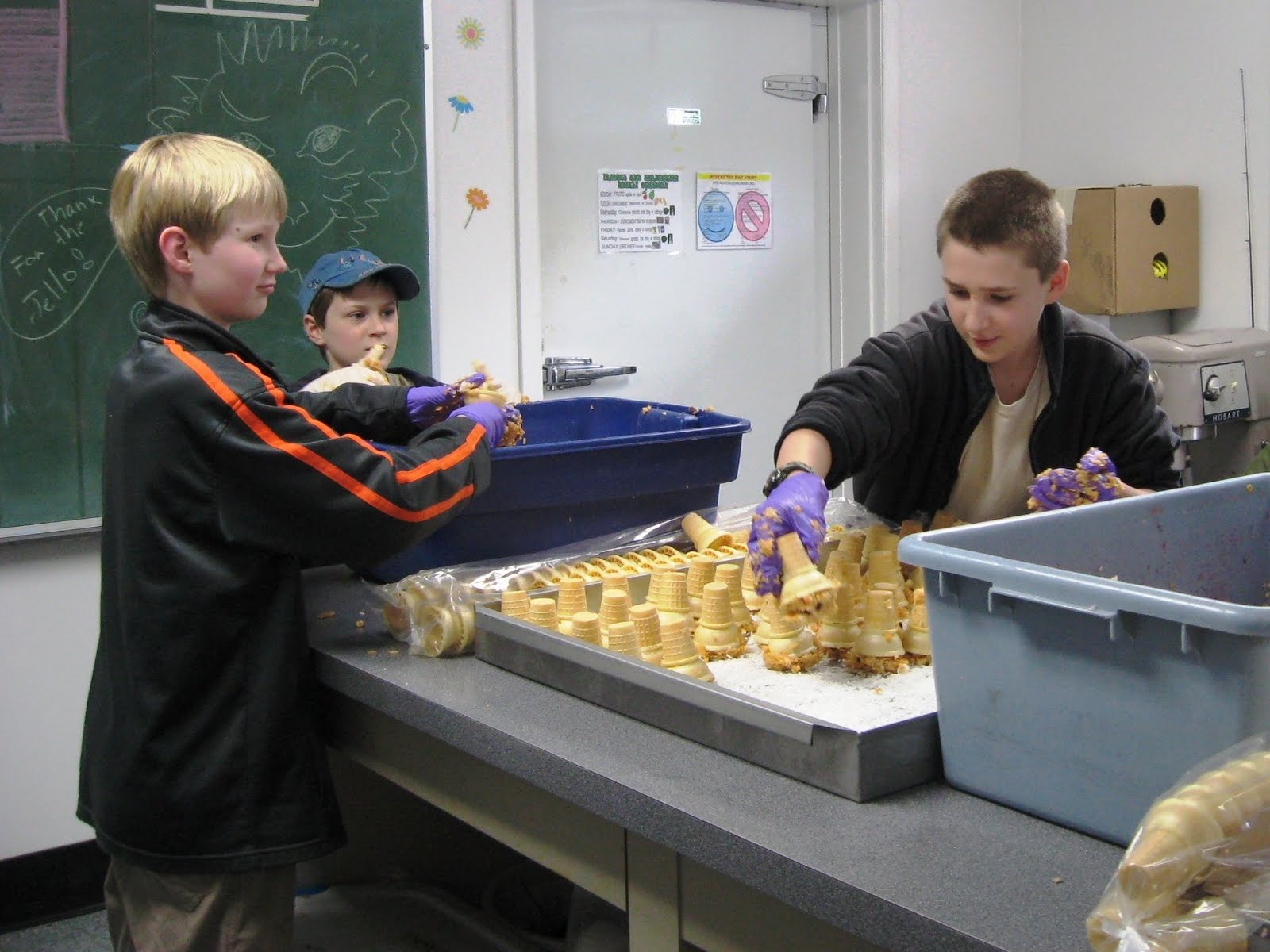
Monkeys were here, there, and everywhere at the Oregon National Primate Research Center at OHSU in Beaverton, where RFH Roots & Shoots learned about the 4300 monkeys that are bred and used for biomedical research there. We were led on a tour that described some of the research they do, such as trying to find a cure for Type 1 Diabetes, addiction research, and stem cell research. (Learn more about all the types of research on their website.) Then we made enrichment toys for the monkeys by putting foods like fruit, veggies, peanut butter, and honey into gadgets. That's what we are doing in these photos. We were not allowed to take photos of the monkeys, but you can see some here. We watched the monkeys work to get the food out of the gadgets, which is their enrichment, because in the wild they would have to work to get their food. The monkeys played, ate, and REALLY liked popcorn and stealing food from each other. This was both an interesting and enlightening project. It was rewarding to contribute to the well-being of the monkeys, but much of the research at the center is controversial, like researching the effects of nicotine on pregnant monkeys. Our group will meet on July 5th to reflect and discuss this project and other projects we have done.
- by Sammi, youth leader

Monday, May 24, 2010

STOP THE INVASION!

With support from Jo of the Tualatin Hills Park and Recreation District, we went to work to remove invasive Nipplewort and Robert Geranium ("Stinky Bob") at Hyland Forest Park in Beaverton. These opportunistic herbs are secondary invasive species that took hold after invasive English Ivy and Himalayan Blackberry were removed, a project the parks department has been working on for seven whole years! We learned that none of these species is inherently bad, just out of place. Oregon Grape, for example, is our state plant and not harmful to the environment here, but is invasive in Germany. Many invasive plants are also edible. Although we made substantial progress removing the invasive herbs and creating breathing room for the native plants that have been re-established in the park, there is more work to be done, and we will return for another project on June 14th. Amid our work, we also find time to enjoy the beauty of nature and learn about the plants and creatures of the forest.

Friday, April 30, 2010

EVERGREEN PARK ADOPTION

Happy Arbor Day! The Evergreen Park adoption was the RFH Roots & Shoots Oregon kickoff event. Jordan from the City of Hillsboro Parks Department brought potting soil, flowers, and our new park adopter sign. We installed our sign, spread the soil, and planted flowers, helping to beautify the park. Our group will care for the park year round by cleaning up litter, mulching trails, removing invasive species, and planting more flowers and native plants. We love our park!

Tuesday, October 27, 2009

BEAR HUGS 2

After the success of the 2008 Bear Hugs project benefiting the Phoenix Children's Hospital, youth leader Jacob decided to make Bear Hugs an annual event. For 2009's Bear Hugs 2, we collected gently used stuffed animals in addition to donations to make new teddy bear at Build A Bear Workshop. On October 26th, for Make A Difference Day, volunteers stuffed 40 new teddy bears to add to 68 gently used stuffed animals and delivered them to the Phoenix Crisis Nursery. The nursery provides services for children in need and their families, including short and long term overnight care and temporary daytime childcare. Staff gave us a tour of the facility and taught us about the creative ways they fulfill their mission of breaking the cycle of child abuse and neglect. They do incredible and important work! If you have suggestions for a charity that 2010's Bear Hugs 3 project can benefit, Jacob would love to hear from you at bearhugs2@gmail.com.

Tuesday, September 1, 2009

CRAYFISH CAPTURE

In September, Arizona Game and Fish Department led Roots & Shoots members and other homeschool students on a field trip to capture crayfish in the creeks of Tonto National Forest. Participants learned how to set traps with bait and capture the crayfish in nets to transfer into buckets. We also learned how to release any native fish that might unintentionally find their way into the nets. Following the trapping, we learned how to measure the crayfish and identify their gender, recording that information to be used by the Game and Fish Department for monitoring purposes. As if wading in the cool creeks and capturing crayfish wasn’t enough fun, we then got to sample boiled crayfish, cooked up with corn on the cob and potatoes by Game and Fish staff. Roots & Shoots members borrowed the crayfish trapping kits for a second field trip to capture crayfish later in the season. Although we picnicked in the forest, we did not eat crayfish on this second trip, but instead donated them to the Adobe Mountain Wildlife Center to be fed to rescued animals in their care. Overall, our group members removed approximately 2,000 crayfish from the creeks during the two field trips that will be repeated annually.

Saturday, August 1, 2009

GARDEN PLOTS AT SCOTTSDALE COMMUNITY GARDEN

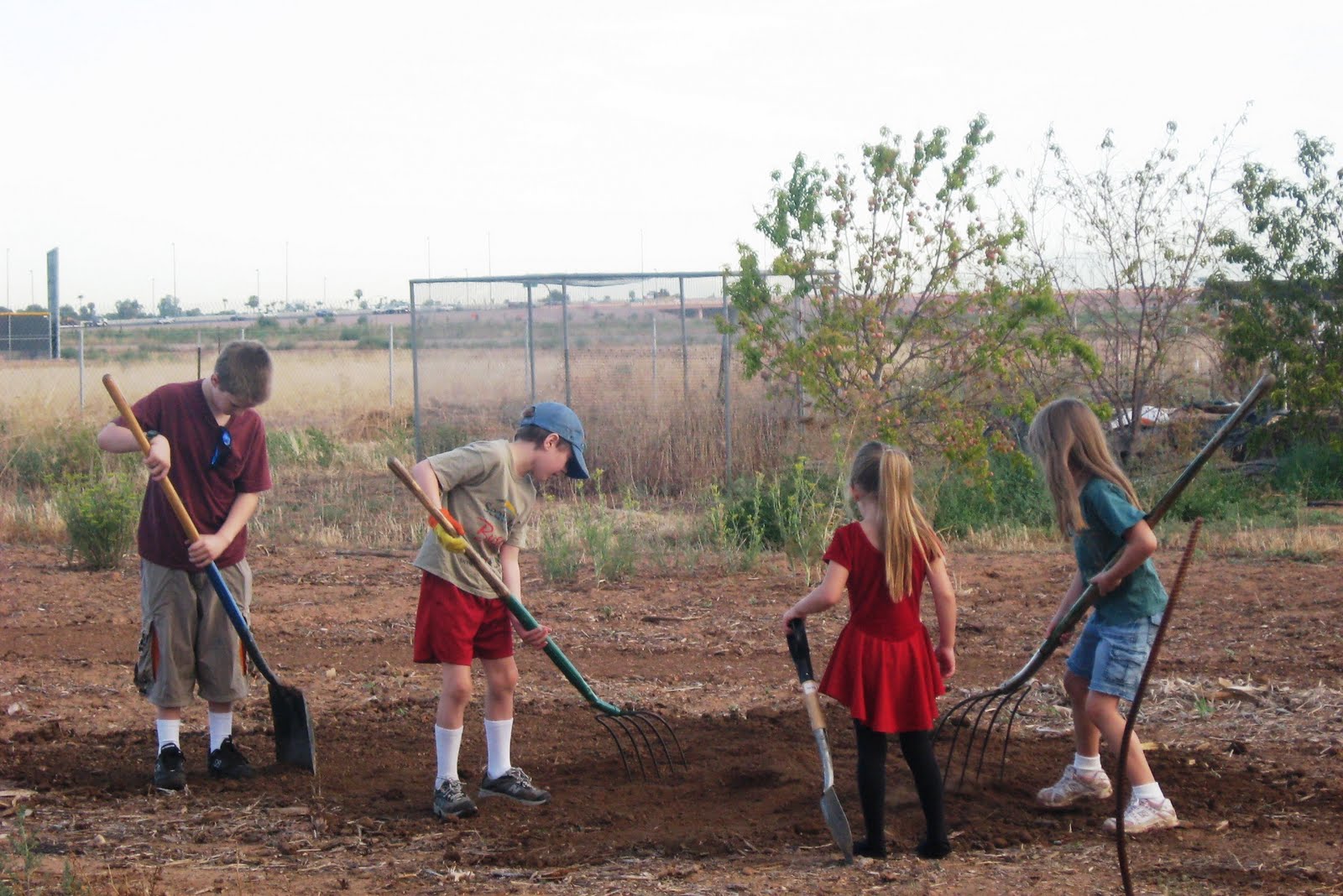
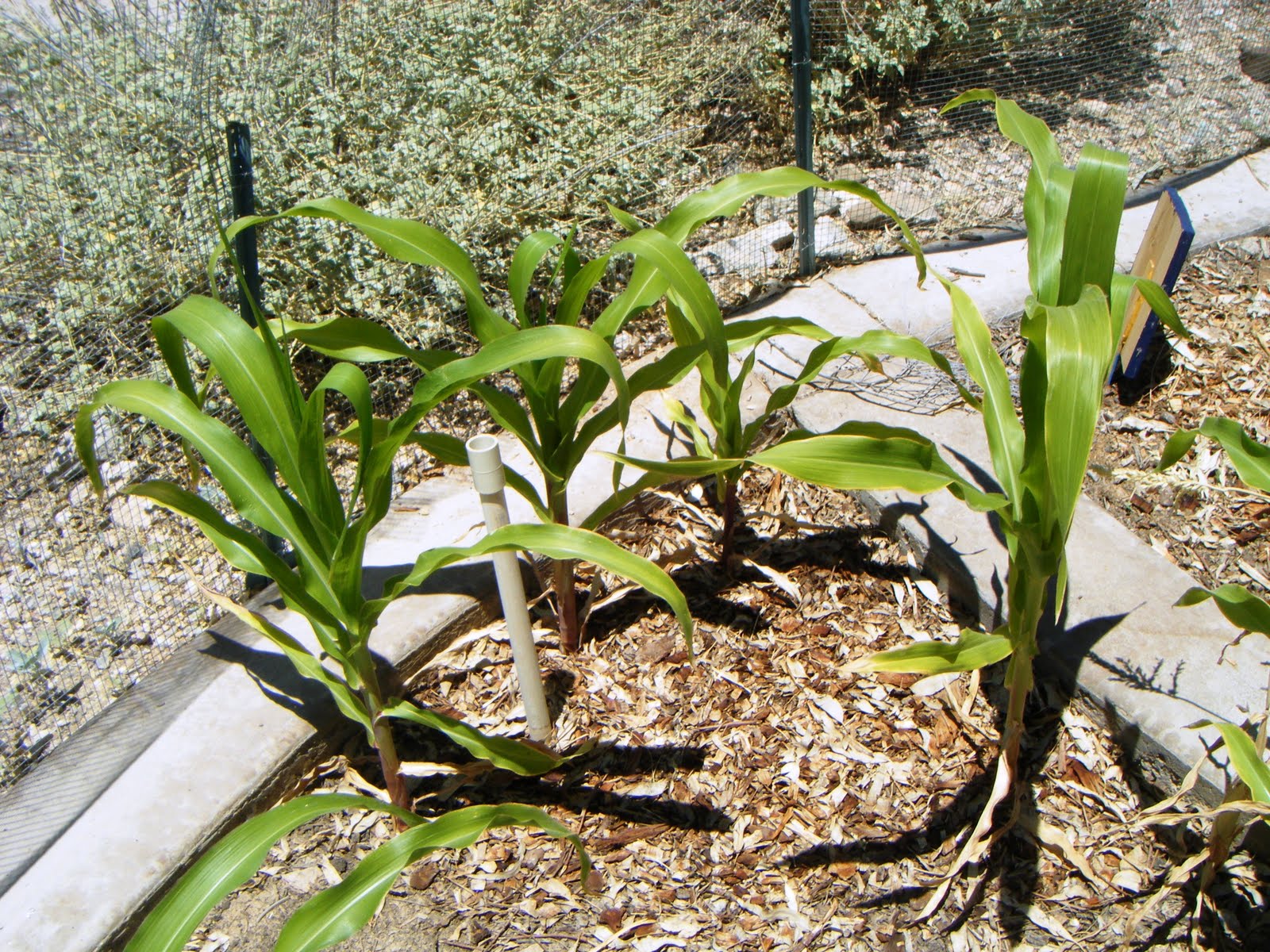
In August 2008, our group started a second garden to accommodate Roots & Shoots members residing a long distance from the garden at Superstition Farm. The group’s plots are located within the Scottsdale Community Garden on the campus of Scottsdale Community College. Youth are working toward Junior Master Gardener Certification while planting, maintaining, and harvesting the garden. In the last year and a half, members have successfully grown squash, pumpkins, eggplant, corn, peas, okra, grapes, apple trees, peanuts, sunflowers, Swiss chard, lettuces, arugula, beans, carrots, loofahs, basil and other herbs. Some items were not as successful as others. Like the Supertition Farm garden, we started with a barren patch of dirt, and lovingly cultivated our soil to yield a boutiful harvest. We acquired a scale to measure our harvest and have averaged sixty pounds of produce per month. Surplus harvest is donated to the hungry through Waste Not. We also practice seed saving. Group members interact with, learn from, and assist fellow community gardeners in neighboring plots, many of whom are elderly and have been Scottsdale Community Garden members since the garden’s start in 1976.

Sunday, April 26, 2009

PLANTING FOR PEACE

Celebrating Earth Day, Arbor Day, and Global Youth Service days, our Roots & Shoots group participated as part of over 100 volunteers from other local Roots & Shoots groups, girl scout troops, and Arizona Homegrown Solutions volunteers to plant 110 native mesquite trees in the barren Nuestro Barrio neighborhood. Working from their knowledge, skills, and experience base of previous re-vegetation efforts in the McDowell Sonoran Preserve and at Papago Park, group members appreciated the added benefit that these trees would provide in the form of edible outputs, in addition to shade, for these low income residents in a struggling neighborhood that recently lost its only grocery store within a three mile radius. We also planted trees in the community garden at the Wesley Center in the neighborhood and helped weed the garden. Check out this fun video of Planting for Peace on YouTube!

Saturday, April 4, 2009

WATER CONSERVATION FOR KIDS

Resources for Health received a grant from the Coca Cola Foundation administered through the University of Arizona Cooperative Extension to install a rainwater harvesting cistern at Horses Help, a partner nonprofit organization that offers therapeutic horseback riding to special needs children and adults. Roots & Shoots members will be monitoring and measuring the amount of rainwater collected. Having studied the ways in which rainwater can be collected as well as the ways in which people can conserve water in their own homes, the teen members of the group will be teaching Water Conservation for Kids workshops to younger children at the Horses Help site and possibly other locations. The collected rainwater will be used both to water therapeutic gardens on the property and to process horse manure into compost.

Tuesday, February 10, 2009

CNUW PROP YARD PROJECT

In February, we took an interactive tour the Center for Native and Urban Wildlife (CNUW) at Scottsdale Community College to learn the value of natural desert habitats, native biodiversity, and their importance to humankind. In addition to their on-campus programming for elementary school students, CNUW also formerly grew native trees in their propagation yard for re-vegetation efforts in the McDowell Sonoran Preserves. Recent changes in the program’s focus have left the half acre propagation yard fallow. Our Roots & Shoots group asked permission to “play in the yard,” and with a grant from Wild Ones Seeds for Education we are re-vegetating the area with native plants, shrubs, and trees. So far, we have successfully planted prickly pear cacti and unsuccessfully transplanted native mesquite saplings form the neighboring community garden. Future plans include planting of xeriscape plants to demonstrate low water usage desert landscaping, planting of wild food plants to demonstrate the amount of food available from public places and backyards, planting seeds from Native Seeds / SEARCH to teach about protecting agro-biodiversity, and propagation of native trees for distribution to low income community gardens, households, and schools. CNUW also allows us to do a composting project in the prop yard. SCC Culinary Department student volunteers bring kitchen scraps to compost bins built out of reclaimed pallets. We add reclaimed tree trimmings to create layers of carbons in the compost pile.

Tuesday, January 27, 2009

NATIVE DEMONSTATION GARDEN AT NMVC

Resources for Health Roots & Shoots and the Green Team 4H group became the first groups to volunteer through the City of Phoenix Park Stewards program. When we first started volunteering at North Mountain Preserve, we expected to be patrolling hiking trails and picking up trash. We were pleasantly surprised when park rangers presented us with the opportunity to maintain yet another garden. This small plot, located behind the North Mountain Visitor Center, had fallen fallow after city budget cuts reduced the number of park ranger work hours. This garden is focused specifically on teaching park visitors how and what ancient native peoples traditionally farmed and ate. All seeds planted are obtained from Native Seeds / SEARCH, a nonprofit organization that promotes the use of ancient crops of the American Southwest and northwest M exicoby gathering, safeguarding, and distributing their seeds to farming and gardening communities. Hard packed caliche, a layer of soil in which the soil particles have been cemented together by lime (calcium carbonate) has posed the greatest challenge to this garden so far. We were successful, however, in planting two native mesquite trees to shade the garden. During the second planting season efforts were undertaken to build up the soil before planting. A local girl scout troupe is partnering with us also this season.